
Hydration - The Foundation For Health & Performance
Introduction
What Is Hydration?
Hydration is more than drinking water — it’s about maintaining the delicate balance of fluids that keep your body functioning at its best. Water is life. It makes up around 60% of your body weight, and every cell, tissue, and organ depends on it to survive and thrive.
Why Is It Important?
Water powers nearly every biological system:
- Circulatory System: Maintains blood volume and delivers oxygen and nutrients.
- Digestive System: Aids in breaking down food and absorbing nutrients.
- Temperature Regulation: Keeps you cool through sweating and heat dissipation.
- Joint Health: Lubricates joints for smooth, pain-free movement.
- Brain Function: Supports focus, memory, and mood stability.
Without proper hydration, your body cannot perform — even at rest.
Benefits of Being Hydrated
- Optimal Performance: Muscles contract efficiently, and endurance improves.
- Mental Clarity: Sharp thinking and better decision-making.
- Energy Levels: Prevents fatigue and supports metabolic processes.
- Recovery: Speeds up nutrient transport and waste removal.
Hydration is the simplest performance enhancer you’ll ever use.
Consequences of Dehydration
When water levels drop, your body struggles:
- Fatigue and Weakness: Muscles lose efficiency.
- Poor Concentration: Cognitive function declines.
- Headaches and Dizziness: Reduced blood flow to the brain.
- Cramps and Joint Pain: Lack of lubrication and electrolyte imbalance.
- Severe Cases: Heat exhaustion, kidney strain, and even organ failure.
Even mild dehydration can reduce physical and mental performance by 10–20%.
How to Spot Dehydration
Look for these warning signs:
- Dry Mouth and Thirst
- Dark Urine (pale straw colour is ideal)
- Headaches or Lightheadedness
- Fatigue and Irritability
- Reduced Sweat During Exercise
If you’re thirsty, you’re already behind—hydration should be proactive, not reactive.
Start Today. Drink Smart. Perform Better.
Hydration isn’t optional—it’s the foundation of health, energy, and peak performance. Every sip brings you closer to clarity, strength, and resilience.
Explore our hydration strategies, daily targets, and performance tips now in our downloadable app.
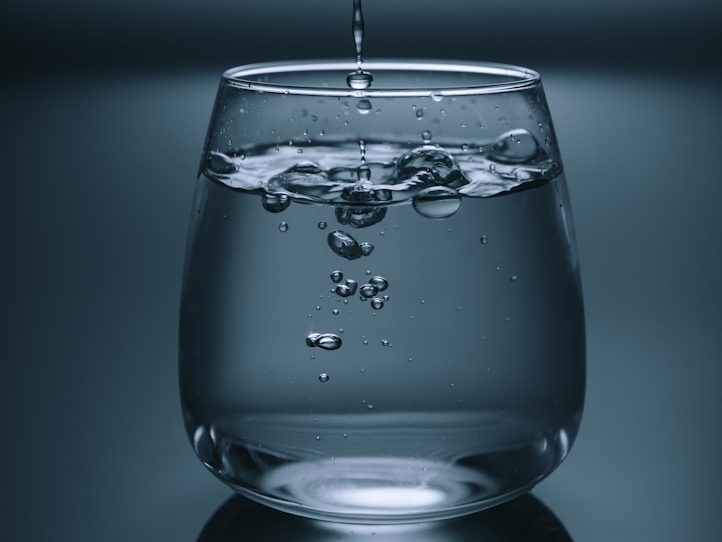
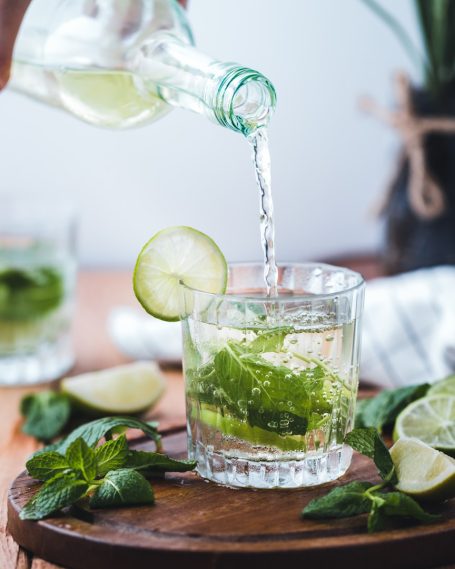
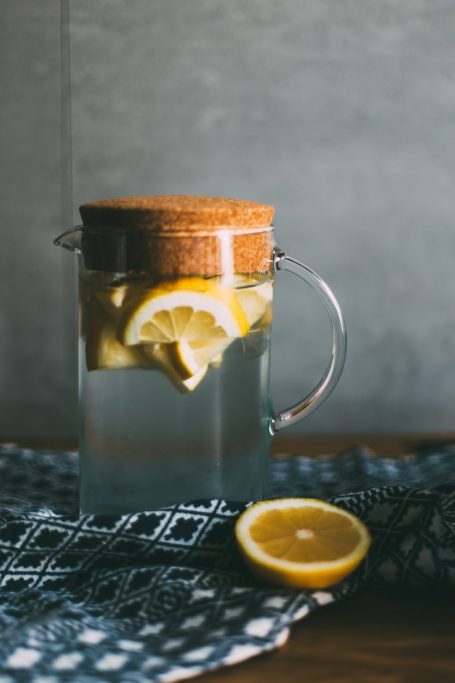


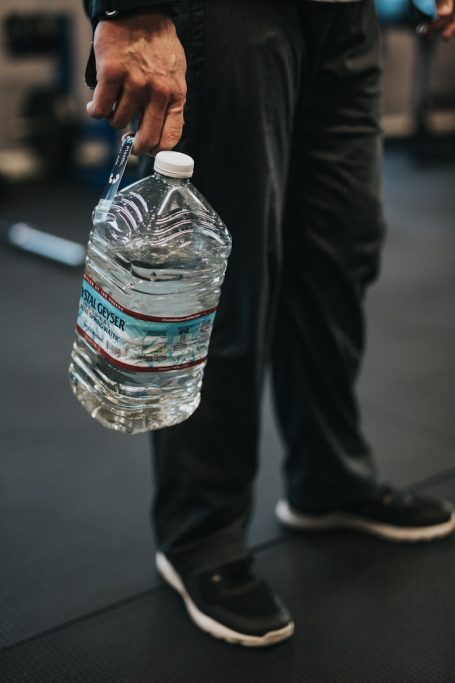



Not All Water Is The Same
Lorem ipsum dolor sit amet, consectetur adipiscing elit. Nulla euismod condimentum felis vitae efficitur.
How Much Water Do You Really Need?
Water is life. It fuels every cell, cushions every joint, and powers every heartbeat. Yet, in the rush of daily life, hydration often becomes an afterthought. The truth? Staying hydrated isn’t just about drinking when you’re thirsty—it’s about creating a rhythm that keeps your body and mind performing at their best.
The Magic Number: How Much Water Do You Need?
Forget the one-size-fits-all rule of “eight glasses a day.” Your hydration needs depend on:
- Body weight: A simple guideline is if you weigh under 90kg, you need to drink 2.5L, if you weigh between 90 and 110kg you need 3L and if you weigh over 110kg you need 3.5L.
- Activity level: More movement means more sweat — and more water.
- Climate: Hot or humid environments increase fluid loss, as does extreme cold.
- Diet: High-protein or high-fibre diets require extra water for digestion.
Timing is Everything
Hydration isn’t a sprint—it’s a steady flow. Here’s how to time it:
- Morning Boost: Start your day with a glass of water before coffee. It wakes up your metabolism.
- Pre-Meal Ritual: Drink 30 minutes before meals to aid digestion.
- Workout Prep: Hydrate 2–3 hours before exercise with 500–600 ml of water.
- Post-Workout Recovery: Replace lost fluids gradually, not all at once.
- Evening Balance: Sip, don’t gulp, to avoid disrupting sleep.
Think of hydration as a rhythm—like breathing. Consistent, intentional, and life-giving. a little and often should be your mantra.
Electrolytes: The Unsung Heroes
Water alone isn’t enough when you sweat heavily. Electrolytes — sodium, potassium, magnesium — keep your muscles firing and your nerves sharp.
- Signs you need electrolytes: Muscle cramps, fatigue, dizziness.
- Natural sources: Coconut water, bananas, spinach, nuts.
- Smart hydration: For intense workouts or hot days, consider an electrolyte drink (but avoid sugar-loaded options).
Electrolytes are the spark plugs of your body’s engine. Without them, water can’t do its job.
Hydration for Athletes
Athletes live in a world where hydration equals performance. Here’s the golden rule:
- Before training: Drink 500–600 ml 2–3 hours prior.
- During training: Sip 150–250 ml every 15–20 minutes.
- After training: Replace 150% of fluid lost (weigh yourself before and after to estimate loss).
If your workout lasts over an hour, add electrolytes. For endurance events, balance water and salts to avoid hyponatremia (low sodium).
Listen to Your Body
Your body whispers before it screams. Thirst, dry mouth, fatigue—these are early signs. But don’t wait for them. Make hydration a habit, not a reaction.
Water is more than a drink—it’s a commitment to your future self. Every glass is a promise of strength, clarity, and vitality. So, raise your bottle and toast to the life you’re building—one sip at a time.
Understanding Your Water Choices: Mineral, Spring, Filtered, and Tap
Water isn’t just water—it comes in different forms, each with unique qualities, benefits, and drawbacks. Choosing the right type can impact your health, convenience, and budget. Let’s break it down.
- Mineral Water
What It Is:
Mineral water is sourced from underground reservoirs and is naturally rich in minerals such as calcium, magnesium, and potassium. It is usually bottled at the source without chemical treatment.
Pros:
Mineral water provides essential minerals that support bone health and maintain electrolyte balance. It is generally considered pure and offers a premium taste and quality, making it appealing for those who value natural mineral content.
Cons:
Mineral water is significantly more expensive than other options, which can make it impractical for daily use. It also has an environmental impact due to plastic packaging and transportation. Additionally, most people can obtain sufficient minerals from a balanced diet, so the extra cost may not be necessary.
- Spring Water
What It Is:
Spring water is collected from natural springs and filtered through layers of rock and soil before being bottled. It is often marketed as fresh and pure.
Pros:
Spring water is naturally filtered and has a clean, refreshing taste. It contains some minerals, although typically less than mineral water. Many people choose it because of its natural origin and perceived purity.
Cons:
Spring water can be expensive compared to tap or filtered water. Its quality varies depending on the source and brand, and like mineral water, it involves packaging and transportation, which adds to environmental concerns.
- Filtered Water
What It Is:
Filtered water is tap water that has been passed through a filtration system, such as carbon filters or reverse osmosis, to remove impurities, chlorine, and sometimes heavy metals.
Pros:
Filtered water is affordable after the initial investment in a filtration system. It improves taste by reducing chlorine and odour, and it is convenient for home use. It also reduces reliance on bottled water, which is better for the environment.
Cons:
Filtered water requires regular maintenance, such as replacing filters, which adds to ongoing costs. Some filtration systems may remove beneficial minerals along with contaminants. There is also an upfront cost for purchasing a good-quality filter.
- Tap Water
What It Is:
Tap water comes from the municipal water supply, which is treated for safety and delivered directly to homes.
Pros:
Tap water is the cheapest and most accessible option. In most developed countries, it is regulated for safety and meets health standards. It is always available without the need for packaging or transport.
Cons:
Tap water may contain chlorine or fluoride, which can affect taste. There is a risk of contaminants if pipes are old or if there are local supply issues. Some people perceive tap water as less pure, even when it meets safety standards.
Cost-Saving Strategies
To reduce costs while staying hydrated, consider investing in a quality water filter. Although there is an upfront cost, it pays for itself compared to buying bottled water regularly. If you prefer mineral or spring water, purchasing in bulk or subscribing to delivery services can help lower the price. Using reusable bottles reduces single-use plastic and saves money by allowing you to refill filtered or tap water. A practical approach is to mix and match—use filtered tap water for everyday hydration and reserve mineral water for special occasions or after intense exercise. Finally, check your local water quality reports; if your tap water meets safety standards, you may not need expensive alternatives.
Bottom Line
For most people, filtered tap water offers the best balance of safety, taste, and cost. Mineral and spring water can be a luxury or used for specific health needs, but they are not essential for everyday hydration.