Physical Performance
Metabolic Conditioning - Ignite Your Engine
What Is Metabolic Conditioning?
Metabolic conditioning — often called “cardio” — is the art of training your body’s energy systems to work at peak efficiency. It’s not just about burning calories or sweating through a workout; it’s about optimising how your body creates, delivers, and uses energy during exercise and everyday life.
When you engage in metabolic conditioning, you teach your body to become a more efficient machine — delivering oxygen to muscles, clearing waste products, and sustaining effort for longer periods. This isn’t just fitness; it’s performance engineering for your body.
If you've seen the excellent Chris Hemsworth series called 'Limitless', he states he wants to be able to play with his children and his (eventual) grandchildren. This is where our metabolic conditioning will really come into it's own. Being fitter and having more energy will improve numerous areas of our life, including several studies have linked exercise (and the resultant endorphins) to lowered levels of depression and anxiety. This means not only is it good for our physical health, it is great for our mental health too.
Why Should We Do It?
Metabolic conditioning is the cornerstone of health and performance. Here’s why it matters:
- Heart Health: Strengthens your cardiovascular system, reducing the risk of heart disease and improving circulation.
- Energy Efficiency: Trains your body to use fat and carbohydrates more effectively, making you a metabolic powerhouse.
- Recovery: Enhances blood flow, speeding up muscle repair after strength sessions.
- Mental Clarity: Releases endorphins, reducing stress and boosting mood—your natural antidepressant.
- Longevity: Supports healthy blood pressure, cholesterol, and metabolic function for a longer, more vibrant life.
Metabolic conditioning isn’t just about looking fit—it’s about feeling unstoppable.
Pros & Cons
Pros:
- Improves cardiovascular fitness and endurance.
- Supports fat loss and metabolic health.
- Enhances recovery between strength workouts.
- Boosts mental wellbeing and stress resilience.
Cons:
- Overdoing high-intensity cardio can lead to fatigue, hormonal imbalance, or injury.
- Excessive endurance work may interfere with strength or hypertrophy goals.
- Requires careful programming to avoid overtraining and maintain balance.
Types of Metabolic Conditioning
There’s no single “best” method — each serves a purpose:
- Long Steady-State Training:
Low to moderate intensity over extended periods (e.g., jogging, cycling, swimming). Builds aerobic capacity, strengthens the heart, and improves fat utilisation. Perfect for endurance athletes and beginners.
- Circuit Training:
Combines strength and cardio in timed rounds. Great for overall conditioning, calorie burn, and functional fitness. Ideal for those who want variety and efficiency.
- High-Intensity Interval Training (HIIT):
Short bursts of intense effort followed by recovery. Efficient for improving aerobic and anaerobic fitness, boosting metabolism, and saving time.
- Sprint Interval Training (SIT):
Maximum effort sprints with longer rests. Builds explosive power and speed while challenging your anaerobic system. Best for advanced athletes seeking peak performance.
The Three Energy Systems
Your body relies on three energy systems during exercise:
- Phosphagen System (ATP-PC): Adenosine Triphosphate (ATP) is the chemical our bodies use for energy (mainly but not exclusively produced in the cell's mitochondria). This is coupled with 'phospho-creatine' that is stored in small ammounts in our muscles. This is our 'ATP-PC'. Our muscles store creatine, which we get from foods such as red meat. ATP-PC provides immediate energy for short, explosive efforts (up to 10 seconds). We can see it in action primarily in Sprint Interval Training and Olympic lifts. It takes approximately two minutes for our muscles to recharge with ATP-PC, which is why resistance training often has two minute rest periods.
- Glycolytic System (Anaerobic): The glycolytic system does not use oxygen, and we produce more metabolic waste (such as lactic acid) at a faster rate than our body can process it, therefore it is not sustainable. The glycolytic system fuels moderate-duration, high-intensity efforts without oxygen (30 seconds to 2 minutes). We see the glycolytic system in action primarily in HIIT and circuit training.
- Oxidative System (Aerobic): The third and final energy system is our long-duration powerhouse, where we utilise oxygen and our body is able to process the metabolic waste. This system powers long-duration, lower-intensity exercise using oxygen (beyond 2 minutes). It's observed in steady-state cardio and endurance work.
It is important to note that all three systems are always active, however which is dominant depends on the above factors. We are not switching one off as we switch another one on. Understanding these systems helps you train smarter, targeting the right energy pathway for your goals.
Individual Variations Matter
Metabolic conditioning isn’t one-size-fits-all. Your physiology, lifestyle, and goals shape your approach:
- Female Athletes: Hormonal fluctuations during the menstrual cycle can affect energy, recovery, and performance—training should adapt accordingly.
- Older Athletes: Recovery may take longer; joint-friendly options and lower impact methods are key.
- Physical Impairments: Adaptive cardio methods ensure inclusivity and progress for all.
- Lifestyle & Goals: Whether you want fat loss, endurance, or explosive power, your programme should reflect your unique needs.
Start Today. Train Smart. Perform Better.
Metabolic conditioning is the heartbeat of human performance. It’s not just about running faster or sweating harder—it’s about building an engine that powers every goal you set.











Long Steady State Training - The Foundation of Endurance
What Is Long Steady-State Training?
Long steady-state training is the classic form of metabolic conditioning — continuous exercise at a moderate intensity for an extended period. Think of a relaxed run, a bike ride through scenic routes, or a swim that feels rhythmic and controlled. Unlike high-intensity intervals, steady-state metabolic conditioning focuses on consistency over explosiveness, allowing your body to sustain effort without pushing into exhaustion. It’s the cornerstone of endurance and a vital component of any well-rounded fitness plan.
Why Is It Important?
Steady-state training does more than burn calories—it builds the engine that powers your life. Here’s why it matters:
- Cardiovascular Health: Strengthens your heart and lungs, reducing the risk of disease.
- Energy Efficiency: Trains your body to use oxygen and fat as fuel, improving metabolic flexibility.
- Recovery: Enhances circulation, helping muscles repair after strength sessions.
- Mental Well-being: Provides a meditative rhythm that reduces stress and boosts mood.
- Longevity: Supports healthy blood pressure, cholesterol, and overall vitality.
This isn’t just exercise—it’s an investment in your future health and performance.
How Does It Work? (Energy System Focus)
Long steady-state training primarily uses the oxidative (aerobic) energy system. This system relies on oxygen to break down carbohydrates and fats for fuel, making it ideal for sustained efforts lasting beyond two minutes. The result? Improved endurance, better fat metabolism, and a stronger cardiovascular base that supports all other forms of training.
Key Benefits
- Improved Aerobic Capacity: Your body becomes more efficient at delivering oxygen to working muscles.
- Fat Utilisation: Encourages your body to burn fat as a primary energy source.
- Lower Stress on Joints: Moderate intensity reduces injury risk compared to high-impact training.
- Mental Clarity: The steady rhythm can feel therapeutic, reducing anxiety and improving focus.
Potential Drawbacks
- Time Commitment: Sessions often last 30–90 minutes, which can be challenging for busy schedules.
- Risk of Overuse Injuries: Repetitive motion can strain joints if not balanced with strength work.
- Limited Muscle Growth: Excessive cardio may interfere with hypertrophy or strength goals if not programmed correctly.
Who Should Do It?
Steady-state cardio is suitable for almost everyone:
- Beginners: A safe, accessible way to build fitness.
- Endurance Athletes: Essential for marathoners, cyclists, and swimmers.
- Fat Loss Seekers: Supports calorie burn and metabolic health.
- Recovery Days: Low-intensity sessions aid active recovery between heavy lifts.
Programming Guidelines
- Duration: 30–90 minutes per session.
- Intensity: 60–70% of your maximum heart rate (a pace where you can talk but not sing).
- Frequency: 2–4 times per week, depending on goals.
- Progression: Gradually increase time or distance, not intensity, to avoid burnout.
Examples of Steady-State Workouts
- Running: 45-minute jog at conversational pace.
- Cycling: 60-minute ride on flat terrain.
- Swimming: Continuous laps for 30–45 minutes.
- Rowing: 40-minute steady pull at moderate resistance.
Special Considerations
- Female Athletes: Adjust intensity during menstrual phases for optimal recovery.
- Older Adults: Prioritise joint-friendly options like cycling or swimming.
- Physical Impairments: Use adaptive equipment or water-based cardio for inclusivity.
How It Fits Into Your Overall Training Plan
Steady-state cardio complements strength, power, and metabolic conditioning. It builds the aerobic base that supports recovery and performance in high-intensity sessions. Think of it as the foundation of your fitness pyramid—without it, everything else becomes harder.
Start Today. Build Your Base. Go Further.
Long steady-state training isn’t about speed—it’s about resilience. Every step, every pedal stroke, every lap strengthens your body and mind for the challenges ahead.
Explore our endurance guides, personalised programmes, and expert tips now in our downloadable app.
Circuit Training - The Ultimate All-in-One Workout
What Is Circuit Training?
Circuit training is a dynamic workout method that combines strength and metabolic conditioning exercises in a sequence of stations, performed with minimal rest. Each station targets a different muscle group or movement pattern, creating a full-body workout that challenges your heart, lungs, and muscles simultaneously. It’s fast, efficient, and adaptable—perfect for those who want maximum results in minimal time.
Why Is It Important?
Circuit training delivers a unique blend of benefits:
- Time Efficiency: Combines strength and cardio in one session.
- Calorie Burn: Keeps your heart rate elevated for fat loss and metabolic health.
- Functional Fitness: Improves strength, endurance, and agility for real-life movement.
- Variety: Reduces boredom and keeps workouts engaging.
- Scalability: Easily adjusted for beginners or advanced athletes.
This is the workout for people who want strength, stamina, and sweat — all in one go.
How Does It Work? (Energy System Focus)
Circuit training primarily uses the glycolytic (anaerobic) energy system, which fuels high-intensity efforts lasting 30 seconds to 2 minutes. However, depending on the structure, it can also tap into the oxidative system for longer circuits or the phosphagen system during explosive moves. This versatility makes circuit training a metabolic powerhouse.
Key Benefits
- Improved Cardiovascular Fitness: Elevates heart rate for aerobic conditioning.
- Muscle Endurance: Repeated sets build stamina and resilience.
- Strength Development: Incorporates resistance exercises for functional strength.
- Metabolic Boost: High-intensity intervals increase post-workout calorie burn.
Potential Drawbacks
- Technique Breakdown: Fatigue can lead to poor form if not monitored.
- Limited Max Strength Gains: Focus on endurance and conditioning rather than heavy lifting.
- Recovery Demands: High intensity requires proper rest between sessions.
Who Should Do It?
Circuit training suits:
- Busy Professionals: Efficient workouts that fit tight schedules.
- Fat Loss Seekers: Combines calorie burn with muscle maintenance.
- Athletes: Improves conditioning and agility.
- General Fitness Enthusiasts: Adds variety and fun to training.
Programming Guidelines
- Stations: 6–10 exercises targeting different muscle groups.
- Work-to-Rest Ratio: 30–60 seconds work, 15–30 seconds rest between stations.
- Rounds: 2–4 circuits per session.
- Frequency: 2–3 times per week for optimal results.
Examples of Circuit Workouts
Beginner Circuit:
- Bodyweight Squats – 45 sec
- Push-Ups – 45 sec
- Jumping Jacks – 45 sec
- Plank – 45 sec
Repeat 3 rounds.
Advanced Circuit:
- Kettlebell Swings – 45 sec
- Burpees – 45 sec
- Dumbbell Rows – 45 sec
- Mountain Climbers – 45 sec
Repeat 4 rounds.
Special Considerations
- Female Athletes: Adjust intensity during menstrual phases for recovery.
- Older Adults: Use low-impact moves and longer rest periods.
- Physical Impairments: Modify exercises or use adaptive equipment.
How It Fits Into Your Overall Training Plan
Circuit training is the bridge between strength and cardio, making it ideal for metabolic conditioning days. Pair it with steady-state cardio and resistance training for a balanced programme that builds strength, endurance, and power.
Start Today. Move Fast. Train Smart.
Circuit training is more than a workout—it’s a challenge, a thrill, and a path to total-body fitness. Every station brings you closer to your goals.




















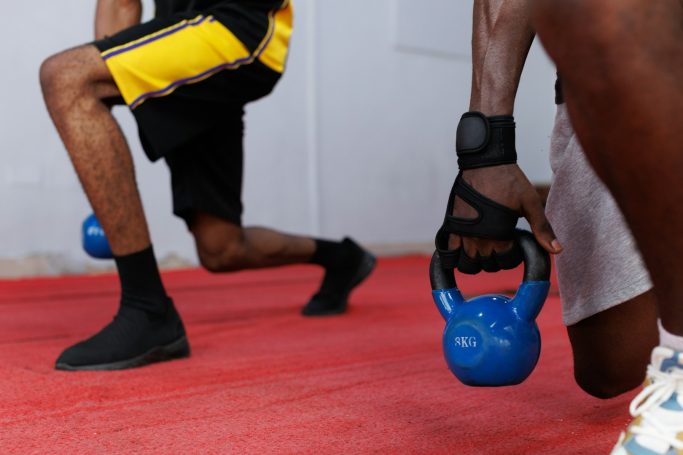
High-Intensity Interval Training: Maximum Impact in Minimum Time
What Is HIIT?
High-Intensity Interval Training (HIIT) is a workout method that alternates short bursts of intense effort with periods of active recovery or rest. Unlike steady-state metabolic conditioning, HIIT pushes your body to near-maximal effort for brief intervals, then allows recovery before repeating. This approach creates a powerful metabolic demand, improving both aerobic and anaerobic fitness in record time.
Why Is It Important?
HIIT is one of the most efficient training styles available. Here’s why it matters:
- Time-Saving: Delivers major fitness benefits in as little as 15–30 minutes.
- Metabolic Boost: Elevates calorie burn during and after exercise (EPOC effect).
- Cardiovascular Health: Improves heart function and VO₂ max.
- Performance Gains: Enhances speed, power, and endurance simultaneously.
- Mental Toughness: Builds resilience by pushing you beyond comfort zones.
HIIT is the ultimate solution for those who want maximum results in minimal time.
How Does It Work? (Energy System Focus)
HIIT primarily targets the glycolytic (anaerobic) energy system, which fuels high-intensity efforts lasting 30 seconds to 2 minutes. During recovery, the oxidative system kicks in to restore energy. This dual demand trains your body to switch efficiently between energy systems—a key advantage for athletes and everyday movers alike.
Key Benefits
- Improved Aerobic & Anaerobic Capacity: Boosts endurance and power.
- Fat Loss: High-intensity intervals accelerate calorie burn and fat oxidation.
- Time Efficiency: Ideal for busy schedules.
- Versatility: Can be applied to running, cycling, bodyweight, or resistance exercises.
Potential Drawbacks
- High Stress on the Body: Requires proper recovery to avoid overtraining.
- Not Beginner-Friendly: Intensity can be overwhelming for those new to exercise.
- Technique Risk: Fatigue may compromise form if not monitored.
Who Should Do It?
HIIT is perfect for:
- Intermediate to Advanced Trainees: Those with a solid fitness base.
- Fat Loss Seekers: Efficient calorie burn and metabolic boost.
- Athletes: Improves speed, agility, and conditioning.
- Busy Professionals: Maximum results in short sessions.
Programming Guidelines
- Work Intervals: 20–60 seconds at near-max effort.
- Rest Intervals: 1–2 times the work duration (active recovery or complete rest).
- Rounds: 6–12 intervals per session.
- Frequency: 2–3 times per week for optimal results.
Examples of HIIT Workouts
Beginner HIIT:
- 30 sec fast jog / 90 sec walk
Repeat 8 rounds.
Advanced HIIT:
- 40 sec sprint / 60 sec jog
Repeat 10 rounds.
Bodyweight HIIT:
- Burpees – 30 sec
- Jump Squats – 30 sec
- Mountain Climbers – 30 sec
Rest 60 sec, repeat 6 rounds.
Special Considerations
- Female Athletes: Adjust intensity during menstrual phases for recovery.
- Older Adults: Use low-impact options like cycling or elliptical.
- Physical Impairments: Modify exercises or use adaptive equipment.
How It Fits Into Your Overall Training Plan
HIIT is a powerful tool for metabolic conditioning days. Pair it with strength and steady-state cardio for a balanced programme that builds endurance, power, and resilience.
Start Today. Push Hard. Recover Strong.
HIIT isn’t just a workout—it’s a challenge that transforms your body and mind. Every interval brings you closer to peak performance.
Explore our HIIT guides, sample workouts, and expert tips now in our downloadable app.
Sprint Interval Training: Explosive Power Meets Endurance
What Is Sprint Interval Training?
Sprint Interval Training (SIT) is the most intense form of metabolic conditioning. It involves short bursts of all-out effort — true sprints — followed by longer recovery periods. Unlike HIIT, which uses near-maximal effort, SIT demands maximum intensity, pushing your body to its absolute limits for a few seconds at a time. This style of training is designed to build explosive speed, power, and resilience like nothing else.
Why Is It Important?
SIT is a game-changer for performance and conditioning:
- Peak Power Development: Builds explosive strength and speed.
- Time Efficiency: Delivers massive fitness benefits in very short sessions.
- Metabolic Impact: Creates a powerful afterburn effect for fat loss.
- Cardiovascular Adaptation: Improves VO₂ max and heart efficiency.
- Mental Toughness: Teaches you to push through discomfort and perform under pressure.
If you want to train like an athlete and feel unstoppable, SIT is your secret weapon.
How Does It Work? (Energy System Focus)
SIT primarily uses the phosphagen (ATP-PC) energy system, which provides immediate energy for efforts lasting up to 10 seconds. During recovery, the oxidative system restores ATP and clears waste products. This extreme demand trains your body to generate and replenish energy rapidly, improving both power and recovery capacity.
Key Benefits
- Explosive Speed & Power: Ideal for sprinters, athletes, and anyone seeking peak performance.
- Improved Anaerobic Capacity: Enhances short-duration, high-intensity output.
- Fat Loss & Conditioning: Maximises calorie burn and metabolic efficiency.
- Time-Saving: Sessions can be as short as 10–20 minutes.
Potential Drawbacks
- High Injury Risk: Intensity requires proper warm-up and technique.
- Not Beginner-Friendly: Demands a strong fitness base.
- Recovery Needs: Requires longer rest between sessions to avoid overtraining.
Who Should Do It?
SIT is best for:
- Advanced Trainees & Athletes: Those with solid strength and conditioning foundations.
- Performance-Oriented Individuals: Seeking speed, agility, and explosive power.
- Time-Conscious Fitness Enthusiasts: Looking for maximum results in minimal time.
Programming Guidelines
- Sprint Duration: 10–30 seconds at 100% effort.
- Recovery: 2–4 minutes of light activity or complete rest.
- Rounds: 4–8 sprints per session.
- Frequency: 1–2 times per week (due to high intensity).
Examples of SIT Workouts
Track Sprint Session:
- Sprint 20 sec / Walk 3 min
Repeat 6 rounds.
Bike Sprint Session:
- Sprint 15 sec at max resistance / Pedal easy 2 min
Repeat 8 rounds.
Bodyweight Sprint Alternative:
- Hill Sprints or Stair Sprints – 10–15 sec
Rest 3 min, repeat 6 rounds.
Special Considerations
- Female Athletes: Adjust intensity during menstrual phases for recovery.
- Older Adults: Use low-impact options like cycling to reduce joint stress.
- Physical Impairments: Modify with resistance bike sprints or pool sprints for safety.
How It Fits Into Your Overall Training Plan
SIT is the peak intensity layer of your conditioning programme. Combine it with steady-state cardio for endurance and strength training for power to create a complete performance system.
Start Today. Sprint Hard. Recover Strong.
Sprint Interval Training isn’t just exercise—it’s a test of willpower and a gateway to elite performance. Every sprint brings you closer to your strongest self.
Explore our SIT guides, sample workouts, and expert programming tips now in our downloadable app.