
Mobility Training: Move Freely, Perform Fully
What Is Mobility Training?
Mobility training is the practice of improving your ability to move freely and efficiently through a full range of motion, while maintaining strength and control. It’s not just about stretching—it’s about creating functional movement that supports performance, prevents injury, and enhances quality of life.
Mobility is the foundation of athleticism and everyday movement. When your joints move well and your muscles support those movements, you unlock strength, speed, and resilience.
Mobility vs Flexibility: What’s the Difference?
- Flexibility is the ability of a muscle to lengthen passively (think touching your toes).
- Mobility is the ability of a joint to move actively through its range with strength and control (think performing a deep squat with stability).
Flexibility is passive; mobility is active and functional. You need both, but mobility is what truly translates to better performance and reduced injury risk.
Why Should We Do It?
Mobility training is essential for:
- Injury Prevention: Healthy joints and tissues reduce strain and overuse injuries.
- Performance: Better movement mechanics improve strength, power, and speed.
- Posture & Alignment: Corrects imbalances caused by sedentary lifestyles.
- Recovery: Enhances circulation and reduces stiffness after workouts.
- Longevity: Keeps you moving well as you age, maintaining independence and vitality.
Mobility isn’t optional—it’s the gateway to sustainable fitness.
Pros & Cons
Pros:
- Improves joint health and movement quality.
- Enhances strength and athletic performance.
- Reduces risk of injury and chronic pain.
- Supports recovery and flexibility.
Cons:
- Requires consistency for lasting results.
- Progress can feel slow compared to strength or cardio gains.
- Needs proper technique—poor mobility work can cause strain.
Types of Mobility Training
Mobility work comes in many forms:
- Dynamic Mobility: Controlled, active movements (e.g., leg swings, arm circles).
- Joint-Specific Drills: Targeting hips, shoulders, ankles for better range.
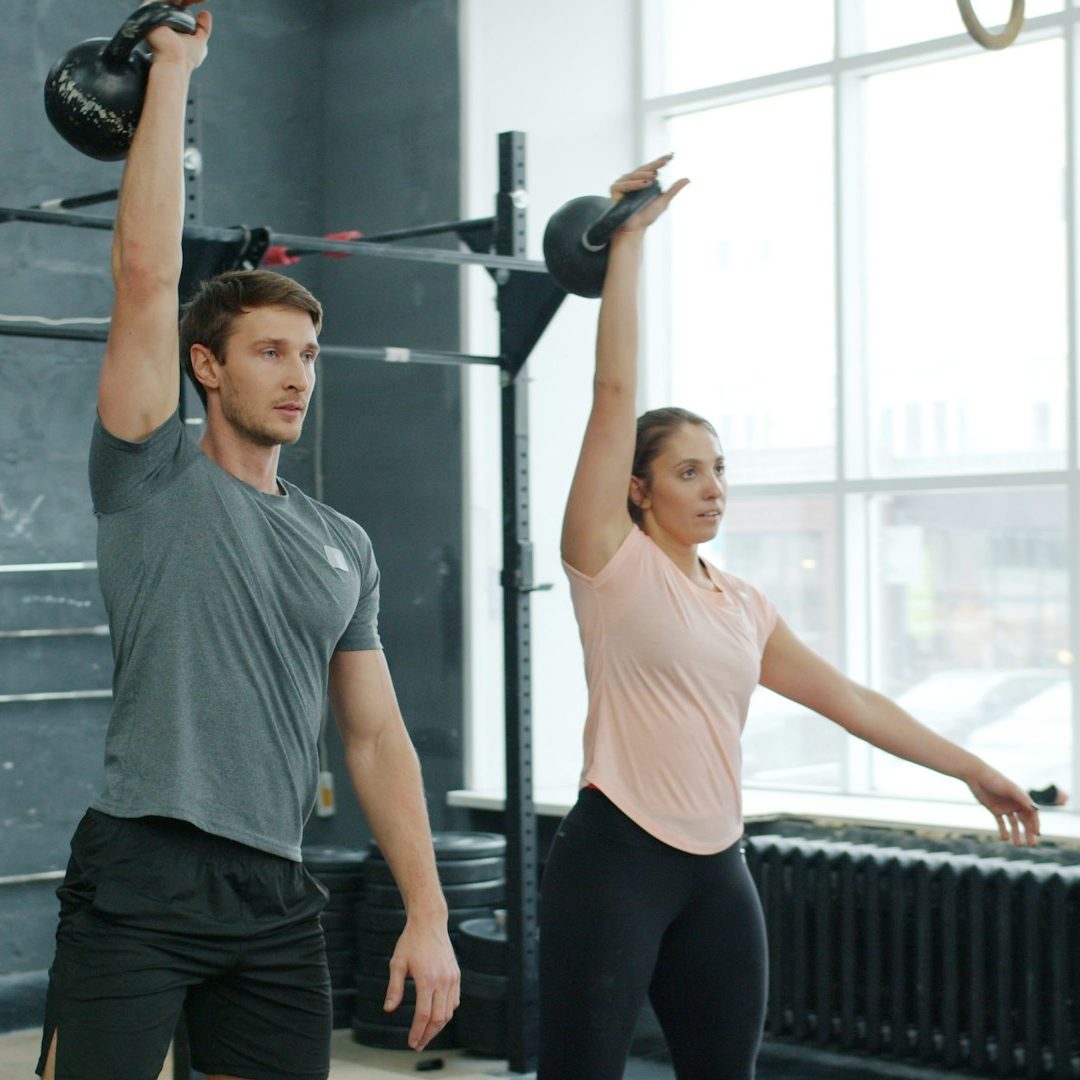
- Loaded Mobility: Using resistance (e.g., kettlebell windmills) to build strength through range.
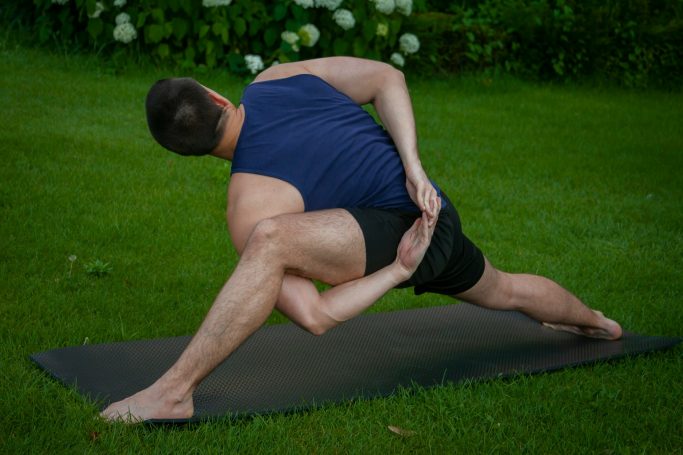
- Movement Flows: Combining stretches and strength in fluid sequences (e.g., yoga-inspired flows).
Energy Systems?
Unlike cardio, mobility training doesn’t rely on energy systems for performance—it focuses on neuromuscular control and tissue health. However, improved mobility supports efficiency in all energy systems by enabling better mechanics during strength, power, and endurance work.
Individual Variations Matter
Mobility needs differ based on:
- Age: Older adults may need more joint care and gentle progressions.
- Sex & Hormonal Factors: Women may experience greater flexibility but need stability work.
- Athletic Demands: Runners need ankle and hip mobility; lifters need shoulder and thoracic mobility.
- Physical Impairments: Adaptive drills ensure inclusivity and progress for all.
Start Today. Move Better. Live Better.
Mobility training isn’t just a warm-up—it’s a performance enhancer and a life improver. Every drill brings you closer to freedom of movement and strength without limits.
Explore our mobility guides, targeted drills, and full-body flow routines now in our downloadable app.
Dynamic Mobility: Movement That Prepares You for Action
What Is Dynamic Mobility?
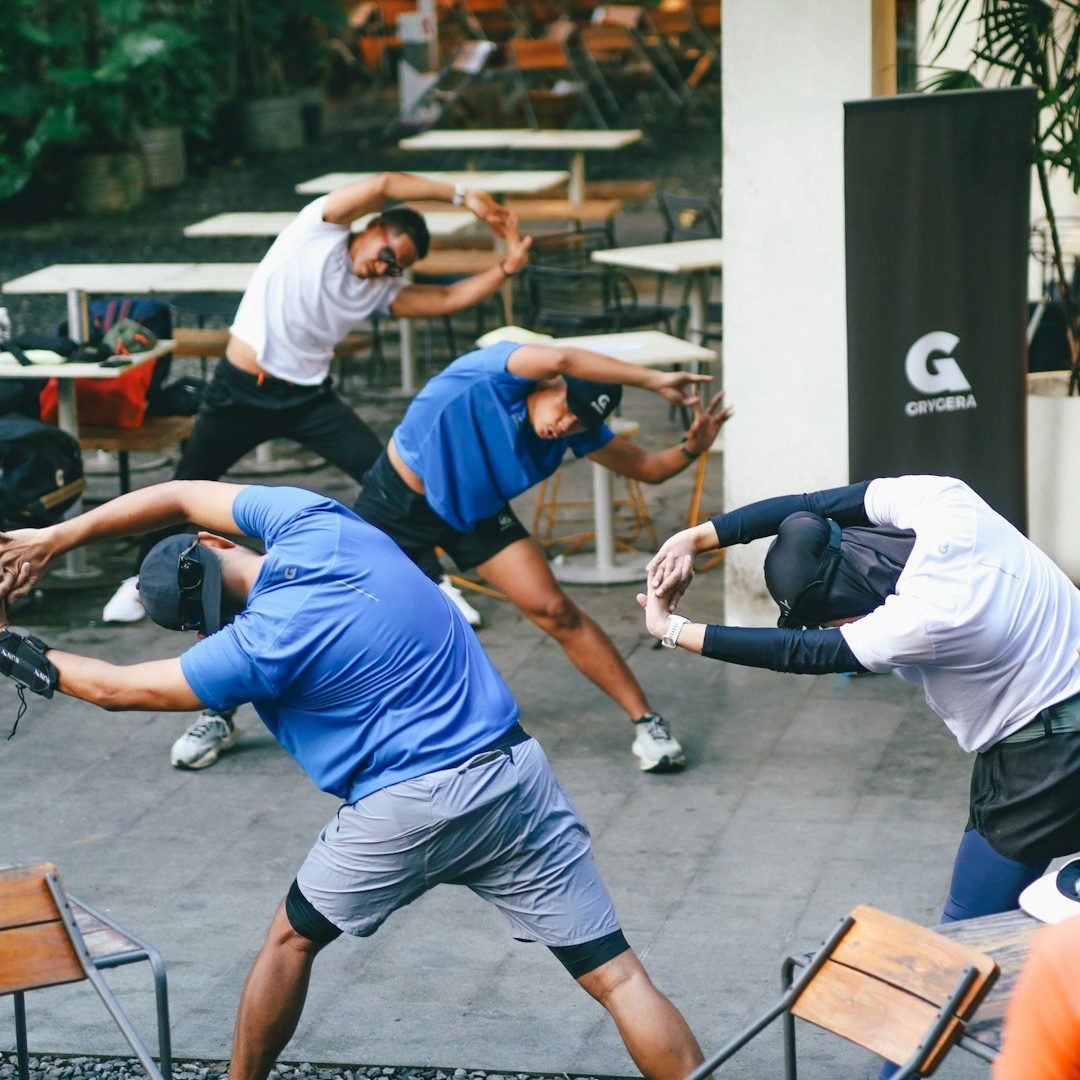
Dynamic mobility is the practice of moving your joints through their full range of motion using active, controlled movements. Unlike static stretching, which holds a position passively, dynamic mobility engages muscles and the nervous system to create movement that is both functional and performance-driven.
Think of leg swings before a run, arm circles before a lift, or hip rotations before squats—these drills wake up your body, improve coordination, and prime you for the demands ahead.
Why Is It Important?
Dynamic mobility is more than a warm-up—it’s a performance enhancer. Here’s why it matters:
- Prepares the Body for Action: Increases blood flow and muscle temperature, reducing injury risk.
- Activates Muscles and Stabilisers: Engages the nervous system for better control and strength.
- Improves Movement Quality: Enhances joint range and coordination for smoother, safer exercise.
- Boosts Athletic Performance: Sets the stage for strength, power, and speed by priming key muscles.
Dynamic mobility bridges the gap between flexibility and strength, making it essential for anyone who wants to move well and train hard.
Key Benefits
- Better Warm-Up: Prepares muscles and joints for intense activity.
- Enhanced Coordination: Improves neuromuscular control for complex movements.
- Reduced Injury Risk: Promotes joint health and stability.
- Performance Gains: Supports explosive lifts, sprints, and athletic drills.
Potential Drawbacks
- Not a Complete Solution: Dynamic mobility should complement, not replace, strength and flexibility work.
- Technique Matters: Poor form can lead to strain or ineffective results.
- Requires Consistency: Benefits build over time, not overnight.
Who Should Do It?
Dynamic mobility is for everyone:
- Athletes: Essential for performance and injury prevention.
- Strength Trainers: Improves lifting mechanics and joint health.
- General Fitness Enthusiasts: Enhances movement quality and workout safety.
- Older Adults: Helps maintain functional range of motion and independence.
Programming Guidelines
- Timing: Best performed before workouts or athletic activity.
- Duration: 5–10 minutes as part of a warm-up.
- Reps: 8–12 controlled repetitions per movement.
- Focus: Smooth, deliberate motion—avoid rushing or bouncing.
Examples of Dynamic Mobility Drills
- Leg Swings: Forward/backward and side-to-side for hip mobility.
- Arm Circles: Small to large rotations for shoulder activation.
- Hip Circles: Controlled rotations to loosen hips and pelvis.
- Walking Lunges with Rotation: Combines hip mobility and core activation.
- Cat-Cow Flow: Mobilises spine and improves posture.
Special Considerations
- Female Athletes: Adjust intensity during menstrual phases for comfort.
- Older Adults: Use slower, controlled movements to protect joints.
- Physical Impairments: Modify drills or use support for balance and safety.
How It Fits Into Your Overall Training Plan
Dynamic mobility is the gateway to effective training. It primes your body for strength, power, and endurance work, making every session safer and more productive. Combine it with joint-specific and loaded mobility for a complete approach to movement health.
Start Today. Move Better. Perform Better.
Dynamic mobility isn’t just a warm-up—it’s the foundation of athletic performance and injury prevention. Every controlled movement brings you closer to freedom and strength.
Explore our dynamic mobility routines, video guides, and expert tips now in our downloadable app.





Joint-Specific Mobility: Targeted Freedom of Movement
What Is It?
Joint-specific mobility drills focus on individual joints that often limit performance—hips, shoulders, ankles, and thoracic spine. These exercises restore range and stability where you need it most.
Why It Matters
- Reduces Injury Risk: Healthy joints handle load better.
- Improves Technique: Deep squats, overhead lifts, and running mechanics rely on joint mobility.
- Supports Longevity: Keeps joints functional as you age.
Examples
- Hip 90/90 Rotations
- Shoulder Dislocates with Band
- Ankle Dorsiflexion Stretch
- Thoracic Spine Extensions over Foam Roller
Programming Tips
- Include in warm-ups or recovery sessions.
- Hold end ranges briefly (2–3 sec) for control.
- 2–3 sets of 6–10 reps per joint.
Loaded Mobility: Strength Through Range
What Is It?
Loaded mobility combines resistance and movement to build strength at end ranges. This approach trains muscles and joints to stay strong and stable while moving deeply.
Why It Matters
- Functional Strength: Improves control in challenging positions.
- Joint Stability: Reduces risk of injury under load.
- Performance Gains: Enhances lifts, athletic movements, and flexibility.
Examples
- Kettlebell Windmills (shoulder and hip)
- Jefferson Curls (hamstrings and spine)
- Goblet Squat Holds (hips and ankles)
- Overhead Squats (shoulders and thoracic spine)
Programming Tips
- Use light to moderate loads.
- Move slowly and deliberately.
- 3–5 reps per set, focusing on control.
Movement Flows: Fluid Strength and Flexibility
What Is It?
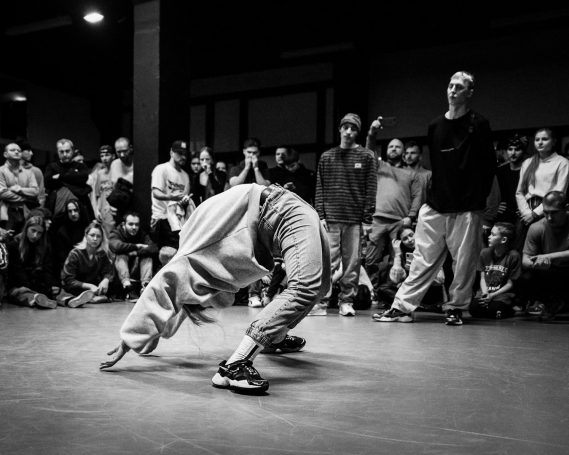
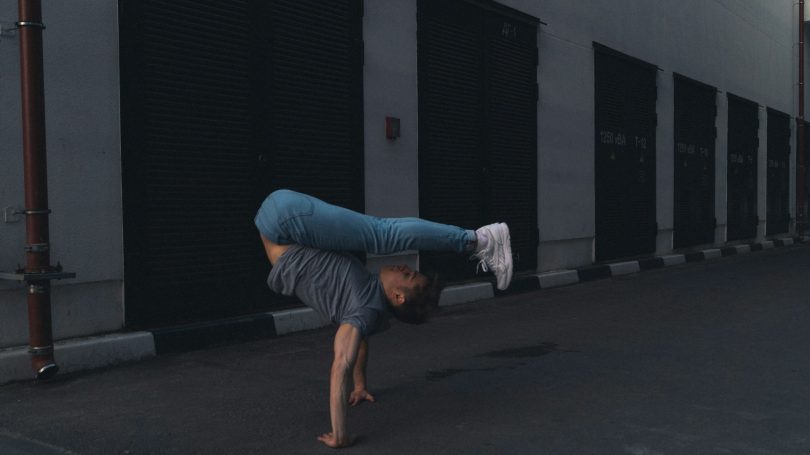
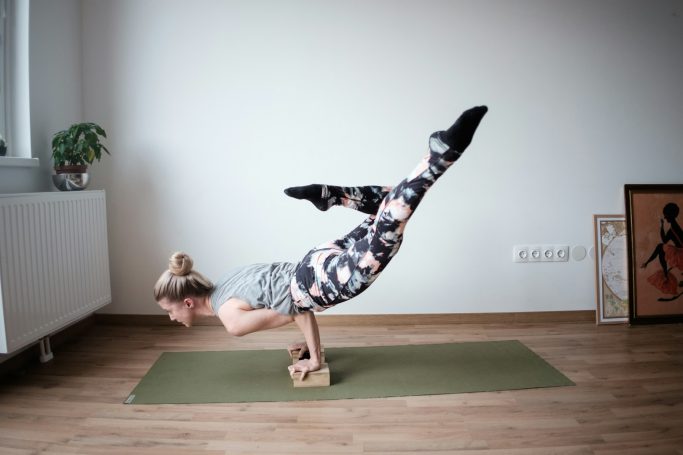
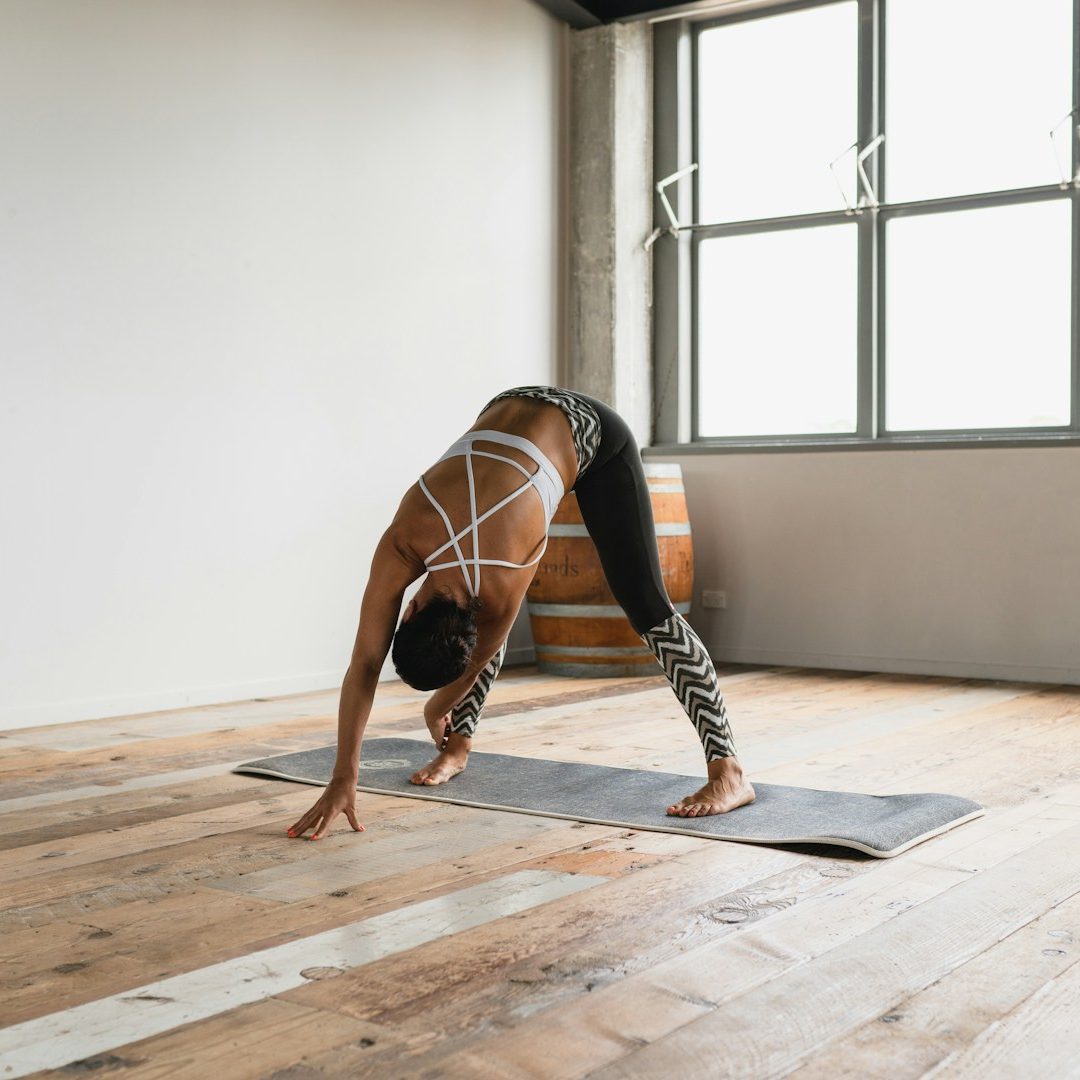
Movement flows combine mobility, flexibility, and strength into seamless sequences. Inspired by yoga, martial arts, and functional training, flows improve coordination and body awareness.
Why It Matters
- Full-Body Integration: Trains multiple joints and muscles together.
- Improves Recovery: Reduces stiffness and promotes circulation.
- Mind-Body Connection: Builds focus and reduces stress.
Examples
- Yoga Sun Salutations
- Animal Flow Patterns (Beast, Crab, Ape)
- Dynamic Lunge-to-Downward Dog Sequences
- Mobility Circuits combining squats, rotations, and stretches
Programming Tips
- Perform flows for 5–10 minutes as warm-up or cool-down.
- Focus on smooth transitions and breathing.
- Progress by adding complexity or duration.
Start Today. Move Better. Live Better.
Mobility isn’t just a warm-up—it’s a performance enhancer and a life improver. Every drill brings you closer to freedom of movement and strength without limits.
Explore our mobility guides, targeted drills, and full-body flow routines now in our downloadable app.