
Resistance Training - It's Not Just About Muscles
Build Strength. Unlock Power. Transform Your Body.
Resistance training is more than lifting weights—it’s about building the foundation for a stronger, healthier, and more capable you. Whether your goal is raw strength, explosive power, lasting endurance, or sculpted muscle, resistance training is the key that unlocks it all. This isn’t just exercise; it’s a journey of progress, resilience, and self-mastery.
In this section, we’ll explore the four pillars of resistance training:
- Strength Training – Develop the raw force that powers every movement. Strength is the bedrock of performance, giving you the ability to lift, push, and pull with confidence.
- Power Training – Go beyond strength and harness speed. Power training teaches your muscles to react explosively, improving athletic performance and functional movement.
- Muscle Endurance – Build stamina that lasts. Endurance training ensures your muscles can sustain effort over time, keeping you strong through life’s toughest challenges.
- Hypertrophy Training – Shape and define your physique. Hypertrophy focuses on muscle growth, helping you achieve a lean, powerful body that looks as strong as it feels.
Resistance training isn’t about perfection—it’s about progress. Every rep, every set, every drop of sweat brings you closer to the best version of yourself. It’s a commitment to strength, vitality, and confidence that will ripple through every area of your life.
The over arching principle with resistance training is that as the intensity (the % of your one-rep-max that you are working at), the lower the volume and vice versa. Heavy, strength training means few reps and sets with long breaks. Muscle endurance is at the other end of the scale with minimal rest and high volume at a much lower weight.
Start today. Lift with purpose. Live with power.
Strength Training, Building The Foundation
Strength Training: Building the Foundation of Power
1. What Is Strength Training?
Strength training is the art and science of developing your ability to exert maximal force against resistance. Unlike general fitness or hypertrophy-focused training, strength training prioritises raw power — the capacity to lift heavier loads and perform demanding physical tasks with confidence. It’s not just about building muscle; it’s about creating a stronger, more resilient body that supports every aspect of life.
2. What Does It Do? (The Neurological Advantage)
When you train for strength, the most significant early adaptations happen in your nervous system, not your muscles. Here’s why:
- Improved Motor Unit Recruitment: Your brain learns to activate more muscle fibres simultaneously, producing greater force.
- Enhanced Neural Efficiency: Signals between your brain and muscles become faster and more coordinated.
- Better Inter-muscular Coordination: Muscles work together more effectively, improving overall movement patterns.
This means strength training makes you stronger without necessarily getting bigger at first— because your nervous system becomes more efficient at using the muscle you already have.
3. How Many Reps Per Set?
Strength training focuses on maximal force, which requires heavy loads—typically 80–90% of your one-rep max. At this intensity:
- Performing 3–5 reps per set allows you to lift heavy enough to stimulate neural adaptations without excessive fatigue.
- Lower reps maintain high quality and perfect form, which is critical for safety and performance.
- This rep range prioritises strength over size, making it ideal for athletes and anyone seeking raw power.
4. How Much Rest Between Sets?
Heavy lifting taxes your nervous system and energy stores. Longer rest periods are essential because:
- ATP Recovery: Your muscles need time to replenish energy for maximal effort.
- Neural Reset: The nervous system requires recovery to maintain high force output.
- Performance Consistency: Short rests lead to fatigue, reducing the quality of subsequent sets.
Taking 3 minutes rest ensures you can lift heavy with proper technique across all sets.
5. How Many Sets?
Strength development thrives on volume and intensity balance:
- 3–5 sets provide enough exposure to heavy loads for adaptation without overtraining.
- This range allows progressive overload while keeping total workout time manageable.
- More sets = more practice with heavy weights, reinforcing neural efficiency and technique.
Examples of Effective Strength Exercises
Focus on compound lifts that recruit multiple muscle groups and mimic real-world movement patterns:
- Squat (Back or Front) – Builds lower body strength and core stability.
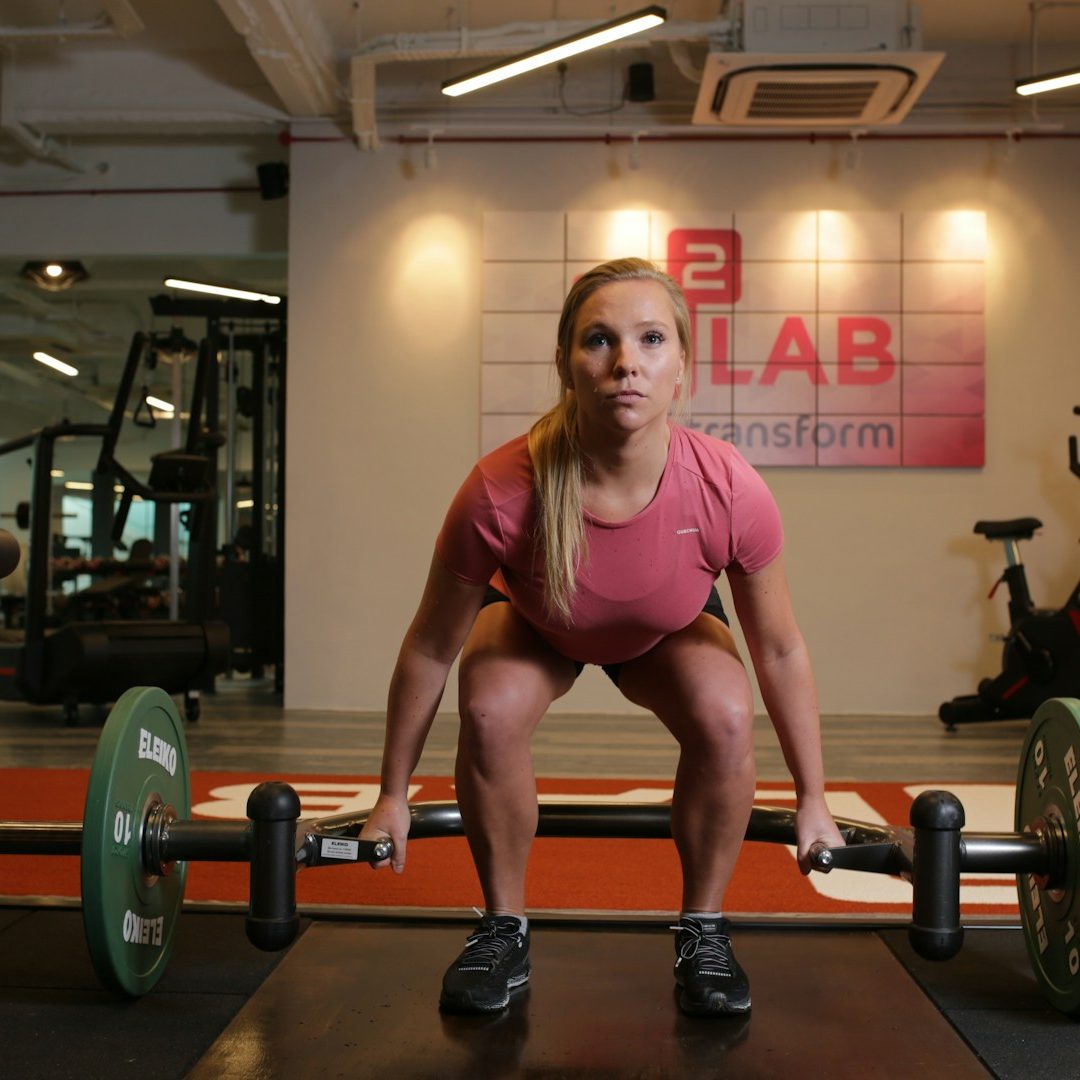
- Deadlift – The ultimate posterior chain exercise for raw pulling power.
- Bench Press – Develops upper body pushing strength.
- Overhead Press – Strengthens shoulders and core for vertical pressing.
- Pull-Up or Weighted Chin-Up – Enhances upper body pulling strength.
- Barbell Row – Improves back strength and posture.
Start Today. Lift Heavy. Live Strong.
Strength training is a commitment to progress, resilience, and confidence. Every rep brings you closer to a stronger, more capable version of yourself.
Explore our detailed guides found in the downloadable app, which includes training plans, and expert tips to start your strength journey now.



Power Training: Explosiveness Meets Strength
1. What Is Power Training?
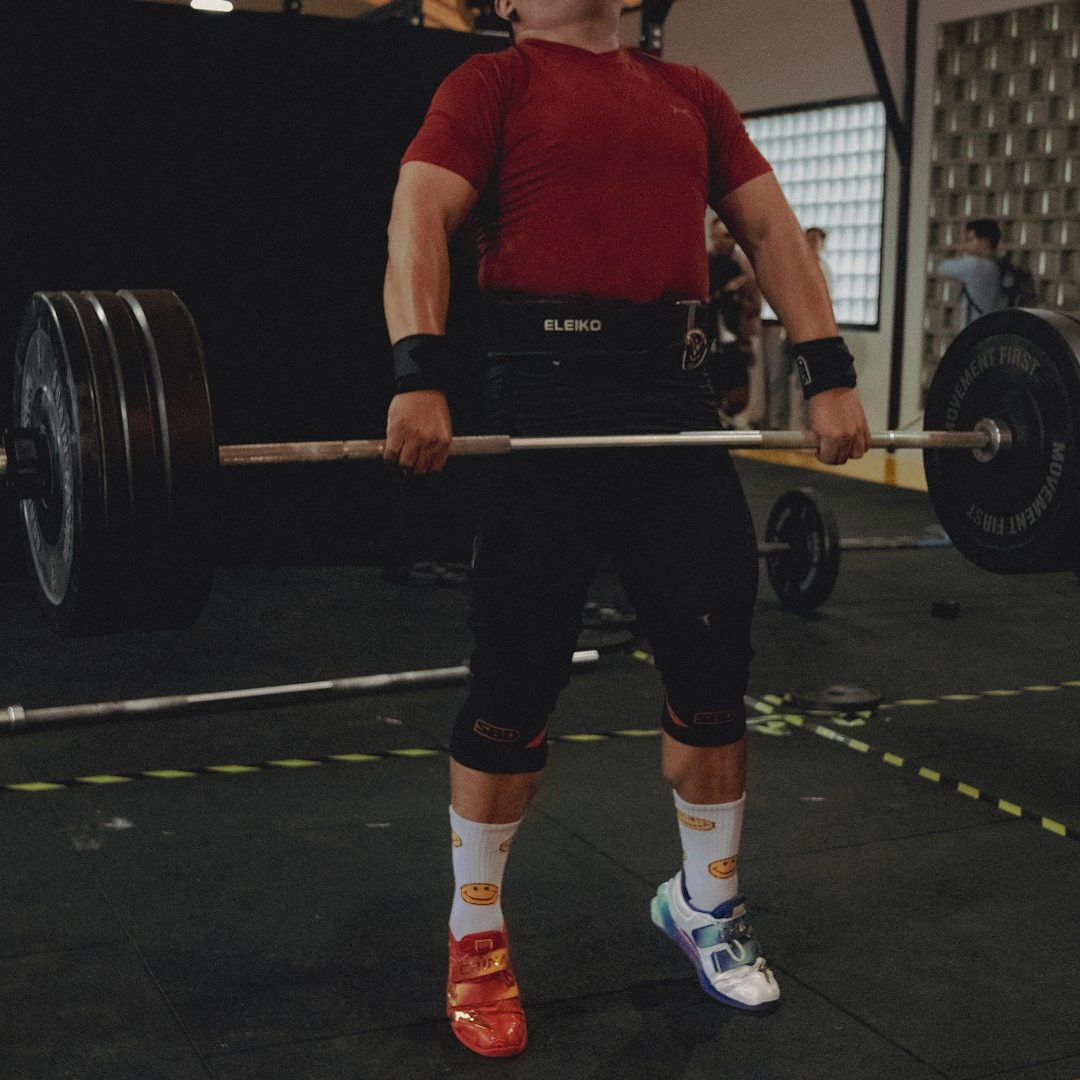
Power training is about speed and force combined — the ability to exert maximum strength in the shortest possible time. It’s what makes athletes sprint faster, jump higher, and react quicker.
Unlike pure strength training, which focuses on lifting heavy loads slowly, power training teaches your muscles and nervous system to move explosively.
Power is the bridge between strength and speed, and it’s essential for anyone who wants to perform dynamically —whether in sport, fitness, or everyday life.
2. What Does It Do? (Neurological and Muscular Benefits)
Power training is highly neuromuscular in nature. Here’s what happens:
- Rapid Motor Unit Recruitment: Your nervous system learns to activate high-threshold muscle fibres quickly.
- Improved Rate of Force Development (RFD): You generate force faster, which is critical for explosive movements.
- Enhanced Coordination: Muscles and joints work together seamlessly for speed and efficiency.
These adaptations make you faster, more agile, and more reactive, which translates into better athletic performance and functional strength.
3. How Many Reps Per Set?
Power training uses moderate to heavy loads (typically 50–70% of your one-rep max) combined with maximum speed. The goal is quality, not fatigue:
- 3–5 reps allow you to maintain explosive speed without slowing down.
- Longer sets lead to fatigue, reducing power output and defeating the purpose.
- This rep range ensures every movement is fast, crisp, and technically perfect.
4. How Much Rest Between Sets?
Explosive training demands full recovery for peak performance:
- Energy Restoration: ATP and phosphocreatine systems need time to recharge for short, powerful bursts.
- Nervous System Reset: Your brain needs recovery to maintain rapid firing rates.
- Consistency: Adequate rest ensures every set is explosive, not sluggish.
Taking 2–3 minutes rest keeps your power output high across all sets.
5. How Many Sets?
Power training thrives on quality over quantity:
- 3–5 sets provide enough stimulus for adaptation without excessive fatigue.
- This range allows you to practise explosive technique while maintaining speed.
- More sets risk diminishing returns as fatigue slows movement.
Examples of Effective Power Exercises
Focus on dynamic, explosive movements that combine strength and speed:
- Olympic Lifts (Clean, Snatch, Jerk) – The gold standard for power development.
- Jump Squats – Build lower-body explosiveness.
- Medicine Ball Throws – Improve upper-body speed and coordination.
- Kettlebell Swings – Develop hip power and posterior chain strength.
- Push Press – Combine strength and speed for upper-body power.
- Broad Jumps or Box Jumps – Enhance lower-body explosiveness.
Start Today. Move Fast. Perform Powerfully.
Power training is about unlocking your body’s ability to react, accelerate, and dominate. Every explosive rep brings you closer to peak performance.
Explore our detailed guides in our downloadable app that contains power workouts, and expert tips to start your explosive journey now.
Muscle Endurance, Strength That Lasts
1. What Is Muscle Endurance Training?
Muscle endurance is the ability of your muscles to sustain repeated contractions over time without fatigue. Unlike strength or power training, which focus on maximal force or speed, endurance training builds stamina — so you can keep going when others stop. It’s essential for athletes, fitness enthusiasts, and anyone who wants to move efficiently and confidently through life’s physical demands.
2. What Does It Do? (Physiological Benefits)
Muscle endurance training improves both muscular and metabolic efficiency:
- Enhanced Fatigue Resistance: Your muscles adapt to work longer before tiring.
- Improved Capillary Density: Better blood flow delivers oxygen and nutrients for sustained effort.
- Greater Energy Utilisation: Your body becomes more efficient at using aerobic and anaerobic energy systems.
- Joint and Tendon Resilience: Repeated, controlled movements strengthen connective tissues for long-term health.
This means you’ll not only perform better in sports and workouts but also handle everyday tasks with ease.
3. How Many Reps Per Set?
Endurance training uses lighter loads (typically 40–60% of your one-rep max, or lower if you are doing higher reps such as press ups) and higher repetitions:
- 20 – 50 reps per set challenge your muscles to sustain effort over time.
- This rep range promotes metabolic adaptations and muscular stamina rather than maximal strength.
- Longer sets teach your body to manage fatigue and maintain form under extended stress.
4. How Much Rest Between Sets?
30 - 60 seconds. Shorter rest periods keep your muscles under continuous demand, which is key for endurance:
- Limited Recovery: Forces your body to adapt to working while fatigued.
- Cardiovascular Benefit: Maintains an elevated heart rate for improved aerobic capacity.
- Efficiency: Short rests allow for higher overall training volume in less time.
5. How Many Sets?
Endurance training focuses on volume and time under tension:
- 2–4 sets provide enough stimulus without excessive fatigue.
- This range allows you to accumulate reps while maintaining good technique.
- More sets can be added for advanced trainees, but quality always comes first.
Examples of Effective Endurance Exercises
Choose compound and isolation movements that can be performed for higher reps:
- Bodyweight Squats or Lunges – Build lower-body stamina.
- Push-Ups – Improve upper-body endurance.
- Light Barbell or Dumbbell Presses – Maintain strength under fatigue.
- Rows (Barbell or Dumbbell) – Enhance back endurance and posture.
- Plank Variations – Develop core stability over time.
- Circuit Training – Combine multiple movements for full-body endurance.
Start Today. Build Stamina. Go Further.
Muscle endurance training is about lasting strength—the kind that keeps you moving when it matters most. Every rep builds resilience, confidence, and capability.
Explore our endurance workouts via the downloadable app which includes expert tips, and training plans now.






Hypertrophy Training - Sculpt Your Strength
1. What Is Hypertrophy Training?
Hypertrophy training focuses on muscle growth — increasing the size of your muscle fibres through targeted resistance work. Unlike strength training, which prioritises maximal force, hypertrophy aims to create the ideal conditions for muscle tissue to adapt and expand. It’s the foundation of a lean, powerful physique and a key component of overall performance.
2. What Does It Do? (Muscular Adaptations)
Hypertrophy training triggers structural changes in your muscles:
- Increased Muscle Fibre Size: Through micro-tears and repair, fibres grow thicker and stronger.
- Enhanced Metabolic Stress: Higher reps and shorter rests create the hormonal environment for growth.
- Improved Muscular Endurance: While size is the goal, hypertrophy also boosts stamina for sustained effort.
These adaptations not only improve aesthetics but also support strength and resilience in everyday life.
3. How Many Reps Per Set?
Hypertrophy thrives in the moderate rep range:
- 6–12 reps per set sets mechanical tension, one of the three mechanisms of muscle growth. This range allows you to lift heavy enough for stimulus while accumulating enough time under tension.
- 12-15 reps per set provides a degree of muscle damage, a second key mechanism for hypertrophy.
- 15-30 reps per set gives us metabolic waste (such as lactic acid) which is the third and final mechanism for hypertrophy.
- Lower reps favour strength; higher reps favour endurance. Hypertrophy sits perfectly in the middle. Ideally, we want to incorporate a little of each into our workouts for optimum training.
4. How Much Rest Between Sets?
Shorter rests maintain metabolic stress, which is crucial for hypertrophy:
- 60–90 seconds keeps muscles partially fatigued, stimulating growth signals.
- Longer rests reduce the hormonal response; shorter rests risk poor form and excessive fatigue.
- This rest range ensures intensity without sacrificing quality.
5. How Many Sets?
Volume is king for hypertrophy:
- 3–5 sets per exercise provide enough stimulus for growth without overtraining.
- This range allows progressive overload while maintaining recovery.
- Advanced lifters may increase volume, but consistency and form always come first.
Examples of Effective Hypertrophy Exercises
Focus on compound lifts for overall size and isolation movements for targeted growth:
- Squats & Deadlifts – Build mass in the legs and posterior chain.
- Bench Press & Dumbbell Press – Develop chest and triceps.
- Pull-Ups & Rows – Add width and thickness to the back.
- Shoulder Press & Lateral Raises – Sculpt strong, defined shoulders.
- Bicep Curls & Tricep Extensions – Target arm growth.
- Leg Press & Hamstring Curls – Enhance lower-body development.
Start Today. Build Muscle. Shape Your Future.
Hypertrophy training is about more than aesthetics—it’s about strength, confidence, and capability. Every rep brings you closer to the physique and performance you deserve.
Explore our hypertrophy programmes in our downloadable app, which contains expert tips, and training plans now.